Sorting
Source
Legimi
(209)
Biblioteka Kraków
(1)
Form of Work
E-booki
(209)
Książki
(1)
Proza
(1)
Status
unavailable
(1)
Branch
Filia 45 (ul. Teligi) - dorośli
(1)
Author
Moriarty, John
(7)
Butler, Hubert
(6)
Duncan, Adrian
(4)
Hogan, Desmond
(4)
King, William
(4)
Besserie, Maylis
(3)
Donleavy, J. P
(3)
Robinson, Tim
(3)
Chalandon, Sorj
(2)
Devlin, Martina
(2)
Fitzpatrick, David
(2)
Flower, Robin
(2)
Frazier, Adrian
(2)
Hassett, Joseph M
(2)
Hone, Joseph
(2)
Kenny, Adrian
(2)
MacKenna, John
(2)
Martin, Emer
(2)
McCormack, Mike
(2)
McDowell, R. B
(2)
McNellie, Andrew
(2)
Myers, Kevin
(2)
O'Connor, Frank
(2)
Ryan, John A
(2)
Senn, Fritz
(2)
Stuart, Francis
(2)
Swinfen, Averil
(2)
Tullio, Paolo
(2)
Akujobi, Uché Gabriel
(1)
Andrews, C.S
(1)
Balfour, Sebastian
(1)
Behan, Brendan
(1)
Bernelle, Agnes
(1)
Birdy, Estelle
(1)
Bishop, Erin
(1)
Bourke, Austin
(1)
Byrne, Angela
(1)
Campbell, Alastair
(1)
Carbery, Mary
(1)
Carr, Eamon
(1)
Carty, Ciaran
(1)
Chinoy, Mike
(1)
Clements, Paul
(1)
Craig, Maurice
(1)
Crombie, James
(1)
Crosbie, Harry
(1)
Crowley, Elaine
(1)
Curley, Walter
(1)
Curran, Kevin
(1)
Donald, Keith
(1)
Donoghue, Denis
(1)
Dorian, Hugh
(1)
Douthwaite, Richard
(1)
Dunne, Tom
(1)
Edgeworth, Maria
(1)
Elizabeth, Countess of Fingall
(1)
Ellis, Walter
(1)
Evans, E. Estyn
(1)
Fitz-Simon, Christopher
(1)
Foley, Declan
(1)
Foster, John Wilson
(1)
Frawley, Oona
(1)
Gilfillan, Kathy
(1)
Grianna, Seosamh Mac
(1)
Haverty, Anne M
(1)
Higgins, Michael D
(1)
Hogan, Demond
(1)
Igoe, Vivian
(1)
Intyre, Tom Mac
(1)
Joyce, James (1882-1941)
(1)
Kavanagh, Patrick
(1)
Keating, Justin
(1)
Kiely, David M
(1)
Kirby, Michael
(1)
Kravis, Judy
(1)
Le Brocquy, Louis
(1)
Leeson, Mrs
(1)
Lenox-Conyngham, Melosina
(1)
Lonergan, Patrick
(1)
Lynd, Robert
(1)
Lyons, Alice
(1)
Macbain, Gillies
(1)
Mallon, Seamus
(1)
Mara, Eileen O
(1)
Maxwell, Alison
(1)
McCarthy, Tony
(1)
McCartney, Donal
(1)
McCoole, Sinéad
(1)
McGillicuddy, Mary
(1)
McGuinness, Katy
(1)
McNeff, Richard
(1)
McWilliams, Brendan
(1)
Mitchell, Angus
(1)
Morrissy, Mary
(1)
Moylan, Terry
(1)
Mulligan, Fergus
(1)
Murphy, Declan
(1)
Murphy, Richard
(1)
Naughton, Bill
(1)
Neeson, Eoin
(1)
Year
2020 - 2026
(52)
2010 - 2019
(92)
2000 - 2009
(29)
1990 - 1999
(30)
1980 - 1989
(7)
Time Period of Creation
1901-1914
(1)
1901-2000
(1)
Country
Poland
(209)
Ireland
(1)
Language
Polish
(209)
English
(1)
Demographic Group
Literatura irlandzka
(1)
Subject
Irlandczycy
(1)
Subject: time
1801-1900
(1)
1901-1914
(1)
1901-2000
(1)
Subject: place
Dublin (Irlandia)
(1)
Genre/Form
Opowiadania i nowele
(1)
210 results Filter
Book
In basket
This item is available in one branch. Expand information to see details.
All copies are currently on loan: sygn. Lit. obcojęzyczna [Wypożyczalnia] (1 egz.)
(dostępność ok. 02.04.2026)
E-book
In basket
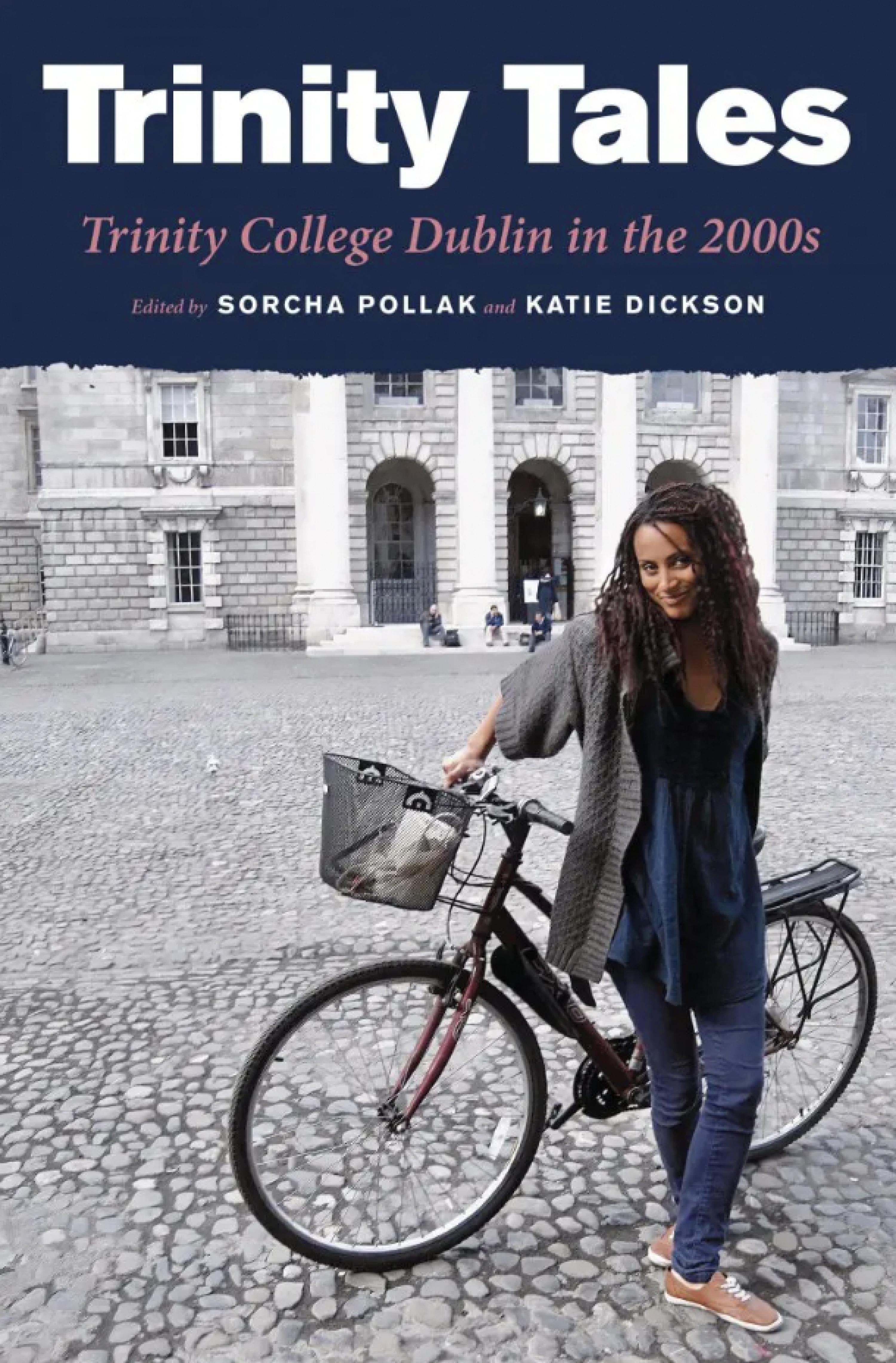
This, the fifth and final volume in the Trinity Tales series, completes a cycle that began with tales from the 1960s. It invites readers to step into the world of Trinity College as it was in the first decade of this century through the reflections of students who attended the university during those years. Within its pages lie the stories of twenty-eight graduates from a mix of diverse backgrounds whose experiences may dispel the myths of what it means to be a 'Trinity student'. The collection reveals the rapidly changing world of the early 2000s. This was a time of the internet revolution, when social media first affected student life, when mobile phones and laptops became ubiquitous, when handwritten work was passing into history, when The Buttery closed its doors – and all this coming against the backdrop of an overheating then imploding Irish economy. This kaleidoscope of recollections captures a student body in transformation and features stories of personal discovery and achievement against the odds. For some it proved a life-changing era when sexual, racial or class barriers were confronted. This volume concludes a remarkable half-century journey, portraying the lives of others, and of ourselves.
This item is available online. Expand information to see details.
Dostęp do treści elektronicznej wymaga posiadania kodu dostępu, który można odebrać w bibliotece.
E-book
In basket
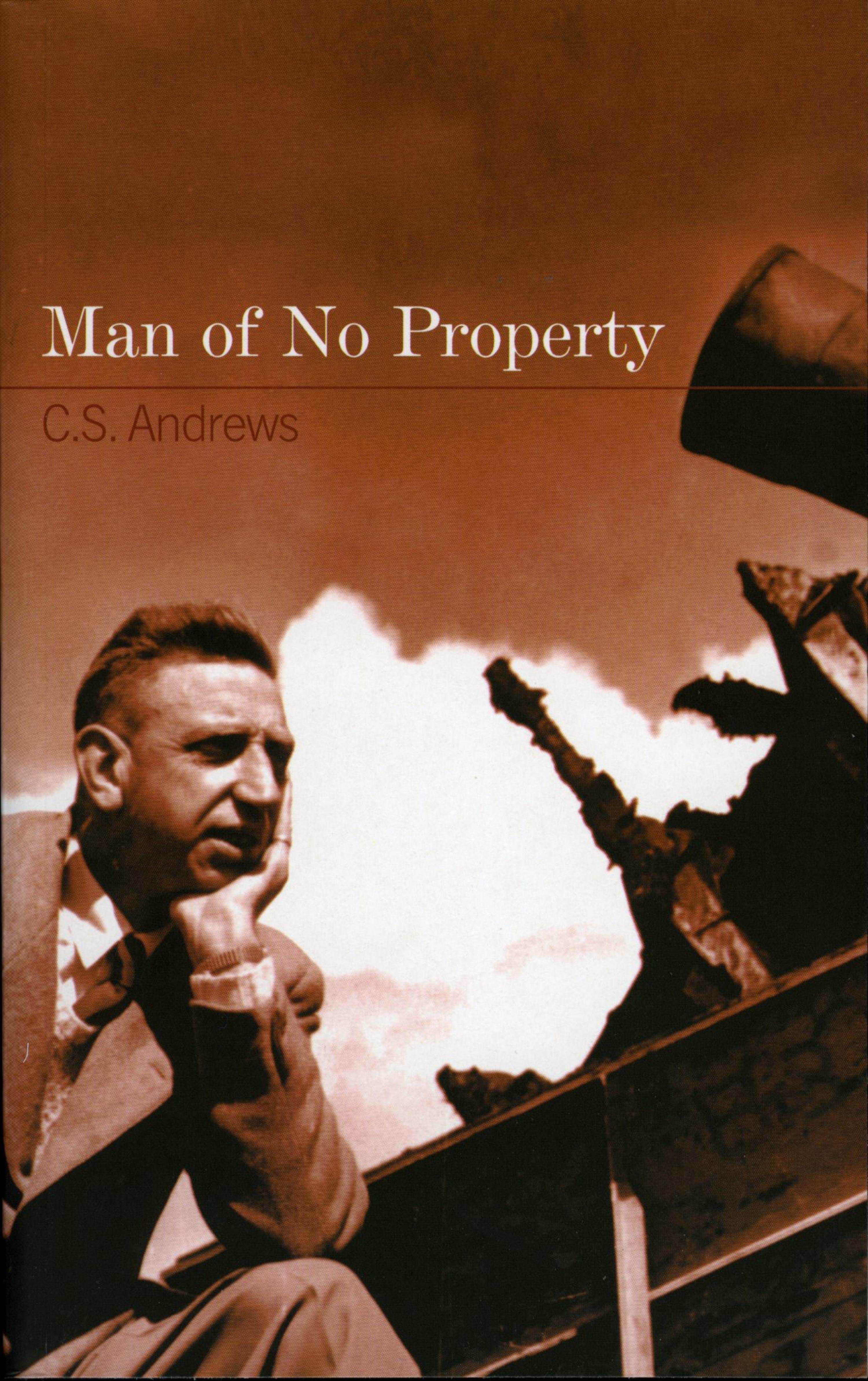
'In the spring of 1924 I was released from internment where I had been held for a year since the end of the Civil War in what was then the Irish Free State. I was a little over twenty-two years of age.' So begins this extraordinary memoir, in which C.S. ('Todd') Andrews gives a personal history of his varied and distinguished career in public service to the Irish state. The early chapters cover what were, for Andrews and his fellow republicans, difficult years under the government of Cumann na nGeadheal. Andrews describes the ambience of Universtiy College Dublin, where he resumed his studies after the end of the Troubles, and writes with insight and sensitivity of the founding of Fianna Fail, which forced anti-Treaty republicans to decide whether to accept the established political order. Andrews chose the constitutional path, and after Fianna Fail came to power in 1932 his working life, which had begun modestly in the Irish Tourist Association and the ESB, was transformed by his appointment as managing director of the Turf Development Board, later Bord na Mona. This visionary enterprise, undertaken in the face of ridicule from those who saw the bogs as an irremediable symbol of backwardness, was immensely successful, and Andrews gave to it nearly three decades in the prime of his life. Andrews' work for Bord na Mona, and later as chairman of CIE and RTE, brought him into daily contact with Eamon de Valera, Sean Lemass and the other leading political figures of mid-century Ireland, and Andrews writes of these men with an analytical and often acerbic eye. He makes a spirited defence of his closure of uneconomic railway lines and of his handling of labour disputes during his tenure at CIE, and rites bitterly of what he saw as the betrayal of Fianna Fail's idealistic origins by those who sought to enrich the party by cultivating big business. Man of No Property is the plain-spoken, often controversial testament of a singular figure in twentieth-century Irish life, and is necessary reading for anyone who wishes to enderstand the evolution of the Irish state in its first half-century.
This item is available online. Expand information to see details.
Dostęp do treści elektronicznej wymaga posiadania kodu dostępu, który można odebrać w bibliotece.
E-book
In basket
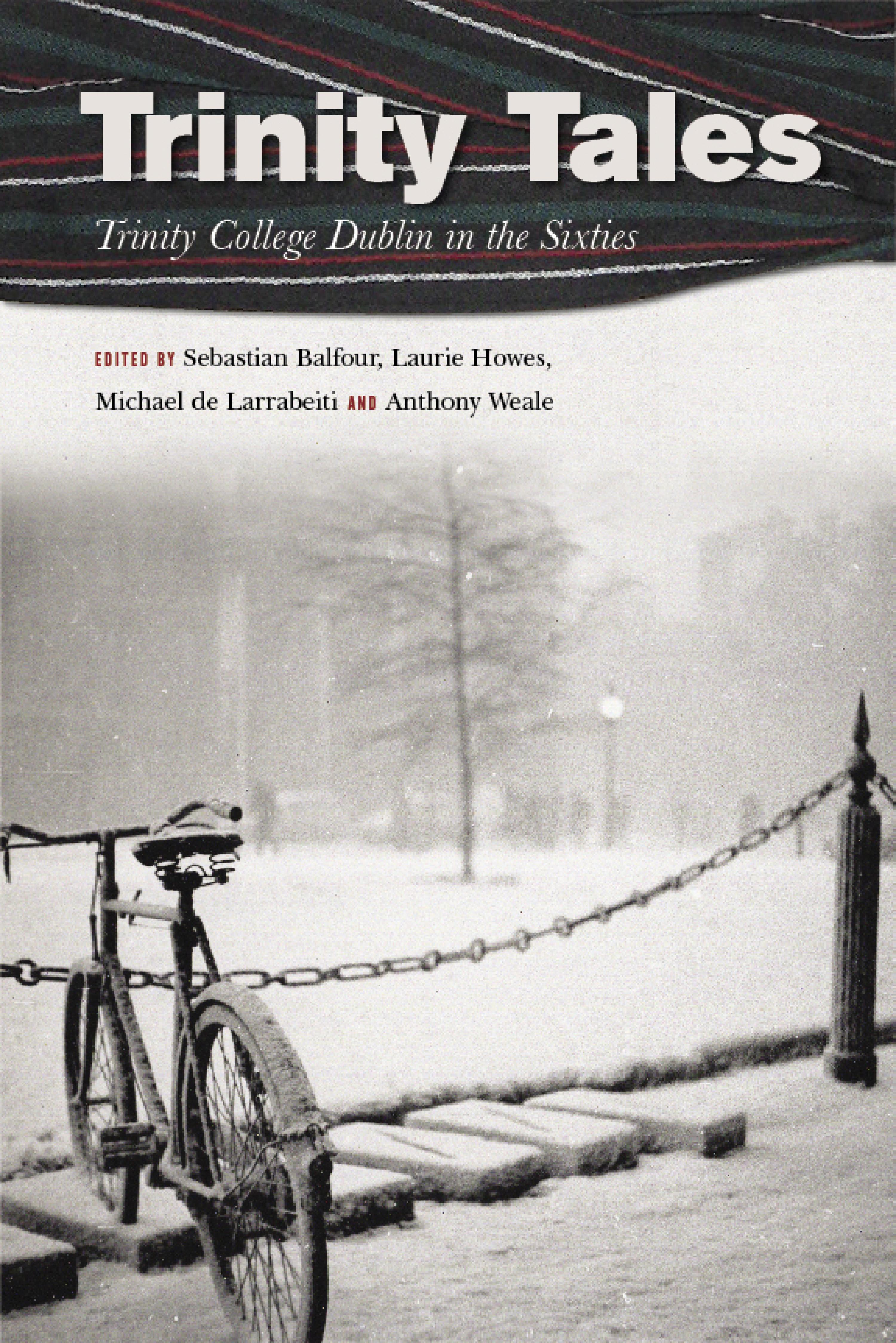
TCD of the sixties was an unusual, even unique institution, where a motley collection of students from England, Ireland and many other parts of the world came together at a fascinating time in the post-war period. TCD then was a remarkably small, mainly Protestant university, curiously cut off from, but also part of an old Catholic city. It was an eccentric little world. Trinity Tales explores this sixties milieu through thirty-six different autobiographical lenses, including works by Derek Mahon, Brendan Kennelly, Edna and Michael Longley, Roy Foster, Jeremy Lewis, Ray Lynott, Rock Brynner and Donnell Deeny: alumni who overlapped, played their part, and in turn involved later alumni. This book is an invaluable record of a culture in transition, handsomely illustrated with photographs.
This item is available online. Expand information to see details.
Dostęp do treści elektronicznej wymaga posiadania kodu dostępu, który można odebrać w bibliotece.
E-book
In basket
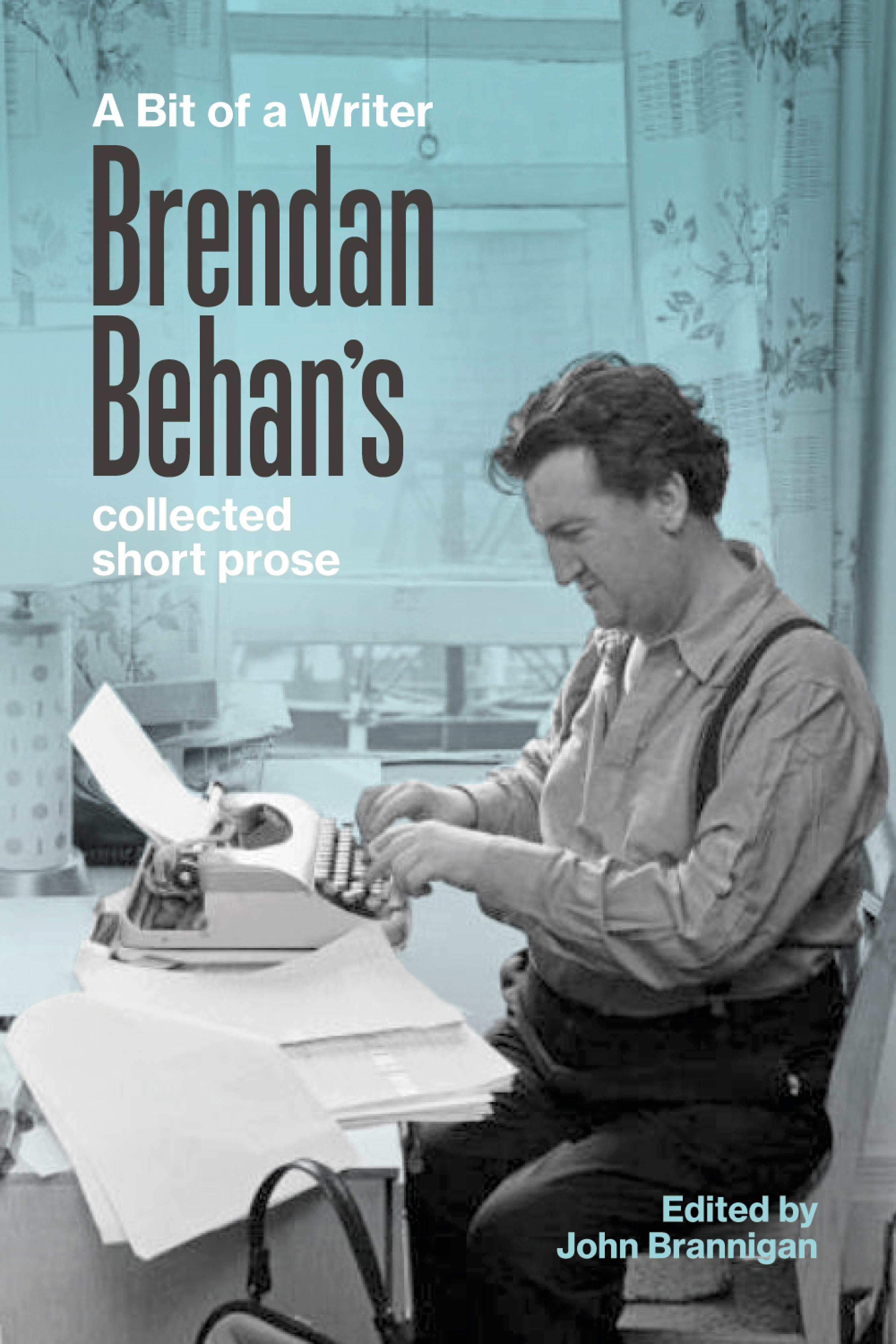
Brendan Behan wrote over one hundred articles for Irish newspapers between 1951 and 1956 as he rose to international fame, with most of them written in a weekly column in the Irish Press. The articles reveal a serious writer capable of great comic set pieces and amusing yarns as well as thoughtful reflections on cultural and historical issues. They reflect his passion for working-class Dublin life and the history and folklore of the city, as well as his travels in Ireland and Europe. This edition gathers all the articles and essays that Behan published in newspapers from 1951 to his death in 1964. Selections of Behan's articles have been published since his death (Hold Your Hour and Have Another, 1965; After the Wake, 1981; The Dubbalin Man, 1997). However, there has been no complete edition of Behan's prose, and no edition has provided a detailed biographical and literary introduction, explanatory notes and suggestions for further reading. This volume is intended for publication during the centenary celebrations of Behan's birth in 2023, with his birthday being 9 February.
This item is available online. Expand information to see details.
Dostęp do treści elektronicznej wymaga posiadania kodu dostępu, który można odebrać w bibliotece.
E-book
In basket
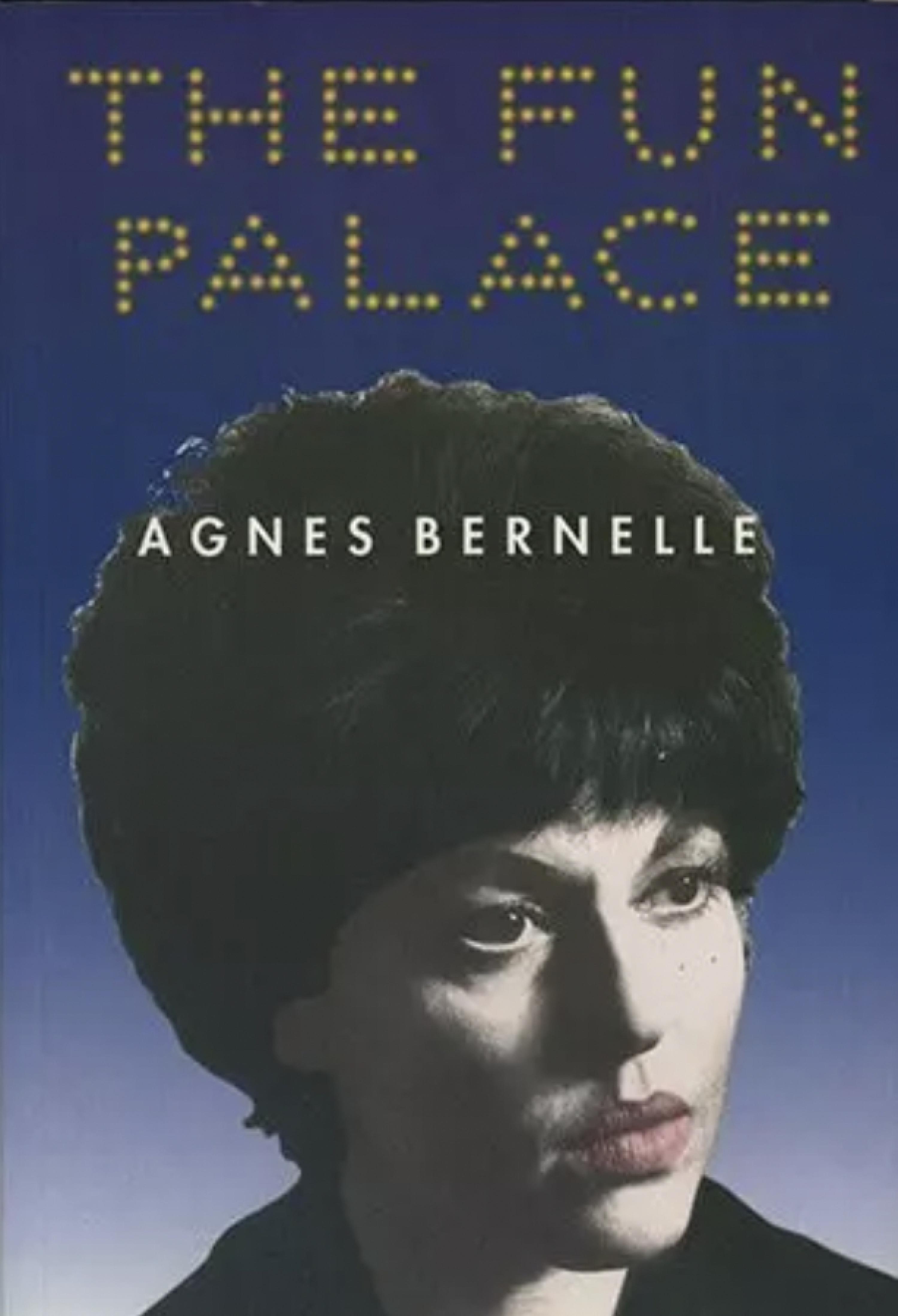
Agnes Bernelle, one of Ireland's best-loved stage performers, was born Agnes Bernauer in Berlin in 1923, the daughter of a renowned Jewish-Hungarian theatre impresario. In this sparkling, intimate memoir she recounts her early years in Germany, her family's flight to London after Hitler came to power, her anti-Nazi broadcasts to the land of her birth, her turbulent loves and family life and the blossoming of her career in film and theatre – from wartime refugee cabaret to the West End. In 1943 she married Irish Spitfire pilot Desmond Leslie, cousin to Winston Churchill, on the first day of peace. Inventive and resourceful, Agnes performed impromptu cabaret in Barcelona, befriended cat burglars, summered in Cannes and received the affections of, among others, Claus von Bulow and King Farouk. In 1956 she became the first 'non-stationary nude' in London theatre. Her original satirical cabaret, based around the work of Brecht and Weil, became the first solo show at Peter Cook's Establishment in Soho, and later had a three week run in the West End. In 1963 Agnes and Desmond moved finally to Ireland, where they found themselves facing into a troubled decade.
This item is available online. Expand information to see details.
Dostęp do treści elektronicznej wymaga posiadania kodu dostępu, który można odebrać w bibliotece.
E-book
In basket
At the very centre of the life of one of the twentieth-century's greatest artists was the most unexpected of life-long influences. The aptly named Jessie Lightfoot shielded the young Francis Bacon from the brutish violence of his bullying father, as well as from his worst self-immolating excesses later in life. The tenderness, wit and warmth of this inimitable Nanny stands in illuminating relief to the sulphurous palette that defined Bacon's work. Beyond the humour and heart of this extraordinary woman – who finds herself confronted with the shade and guile of the artworld – Maylis Besserie also gives us a glimpse of Ireland in the first half of the twentieth century, both a powder keg and a place apart from the rest of the world, whose landscapes, imagery and animals haunted the famous painter's canvases. In the final of Maylis Besserie's Irish-French trilogy, her preoccupation with the art and lives of artists who crossed borders between France and Ireland has a fitting climax as Bacon confronts the boundaries between the real and the imagined. 'In a virtuoso feat of literary ventriloquism, Maylis Besserie follows the advice of the Greek poet Cavafy to approach the world from unique and strange angles. Through the eyes of Bacon's nanny and close companion, she gives us brilliant insights into the conflicting personal, sexual, and artistic impulses that shaped a remarkable artist, rendered in the steadfast voice of someone who understood and loved the complex man behind the art. It marks a wonderful conclusion to a remarkable Irish trilogy.' Dermot Bolger
This item is available online. Expand information to see details.
Dostęp do treści elektronicznej wymaga posiadania kodu dostępu, który można odebrać w bibliotece.
E-book
In basket
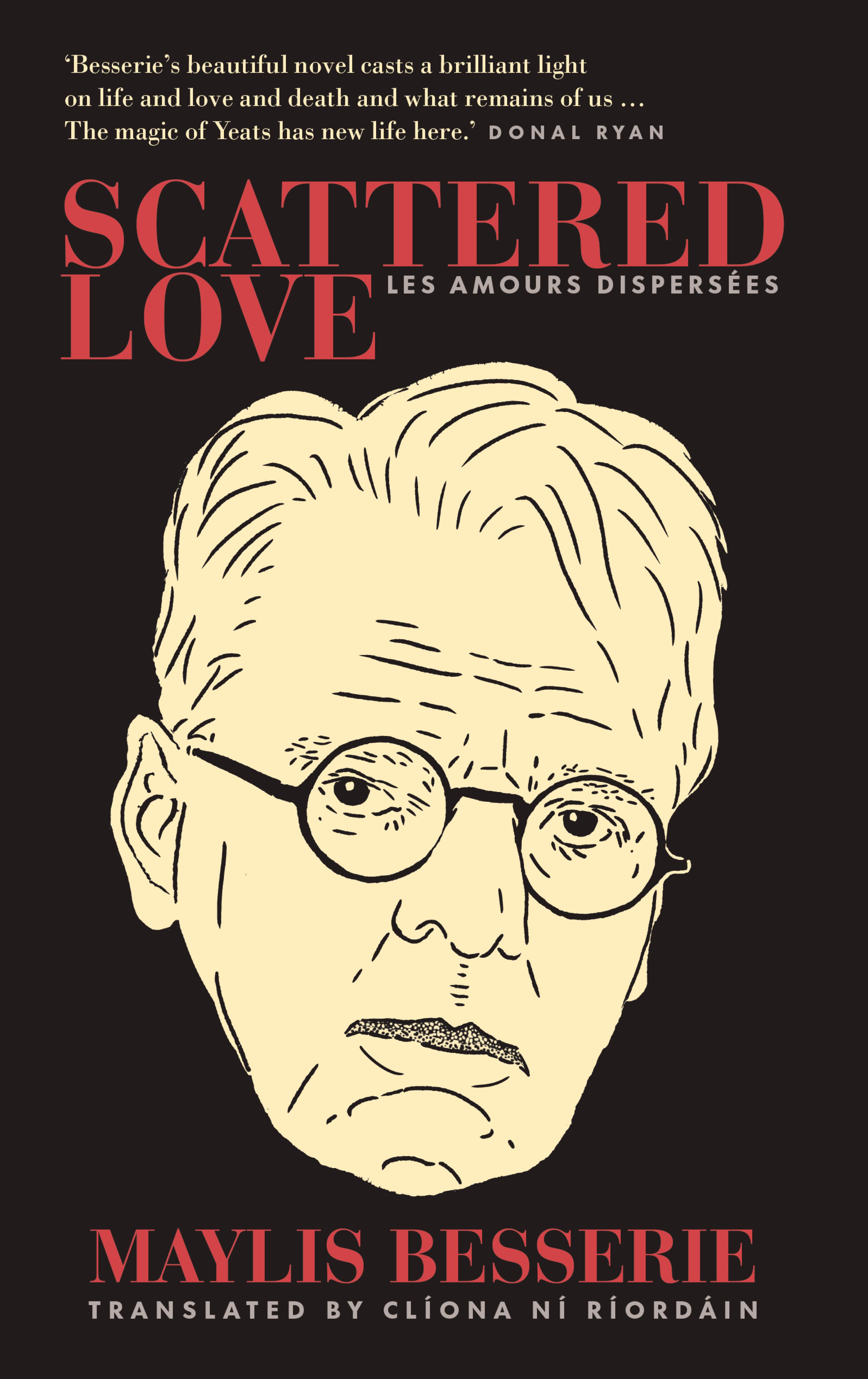
'She entered the house like a shadow … She was like a divine elixir: one drop for each of my thoughts. … I could feel the breath of the warrior, the Queen of Ireland, and it intoxicated me with the wind of hope, like noble wine.' She is Maud Gonne, the muse of writer William Butler Yeats. Yeats here returns as a ghost, having been buried in southern France in January 1939 at Roquebrune-Cap-Martin. Ten years later his remains are repatriated to Ireland. He emerges from his grave to recount his thwarted love for Maud, a story blending with the movement for Irish independence in which they each played an integral part. Yeats' ghost has suddenly appeared as diplomatic documents have come to light, casting doubt on the contents of the coffin brought back to Sligo for a state funeral. Where did the poet's body go? Does he still hover 'somewhere among the clouds above'? What remains of our loves and our deaths, if not their poetry? Maylis Besserie's exciting new work follows on from Yell, Sam, If You Still Can (Le tiers temps). In her second novel, she turns her attention from Samuel Beckett to another Irish writer, W.B. Yeats. The connection between Ireland and France is forged once again in the smithy of art, culture and the days at the end of life. A Guardian Most Anticipated Book of 2023 An Irish Times Most Anticipated Book of 2023 An Irish Independent Most Anticipated Book of 2023
This item is available online. Expand information to see details.
Dostęp do treści elektronicznej wymaga posiadania kodu dostępu, który można odebrać w bibliotece.
E-book
In basket
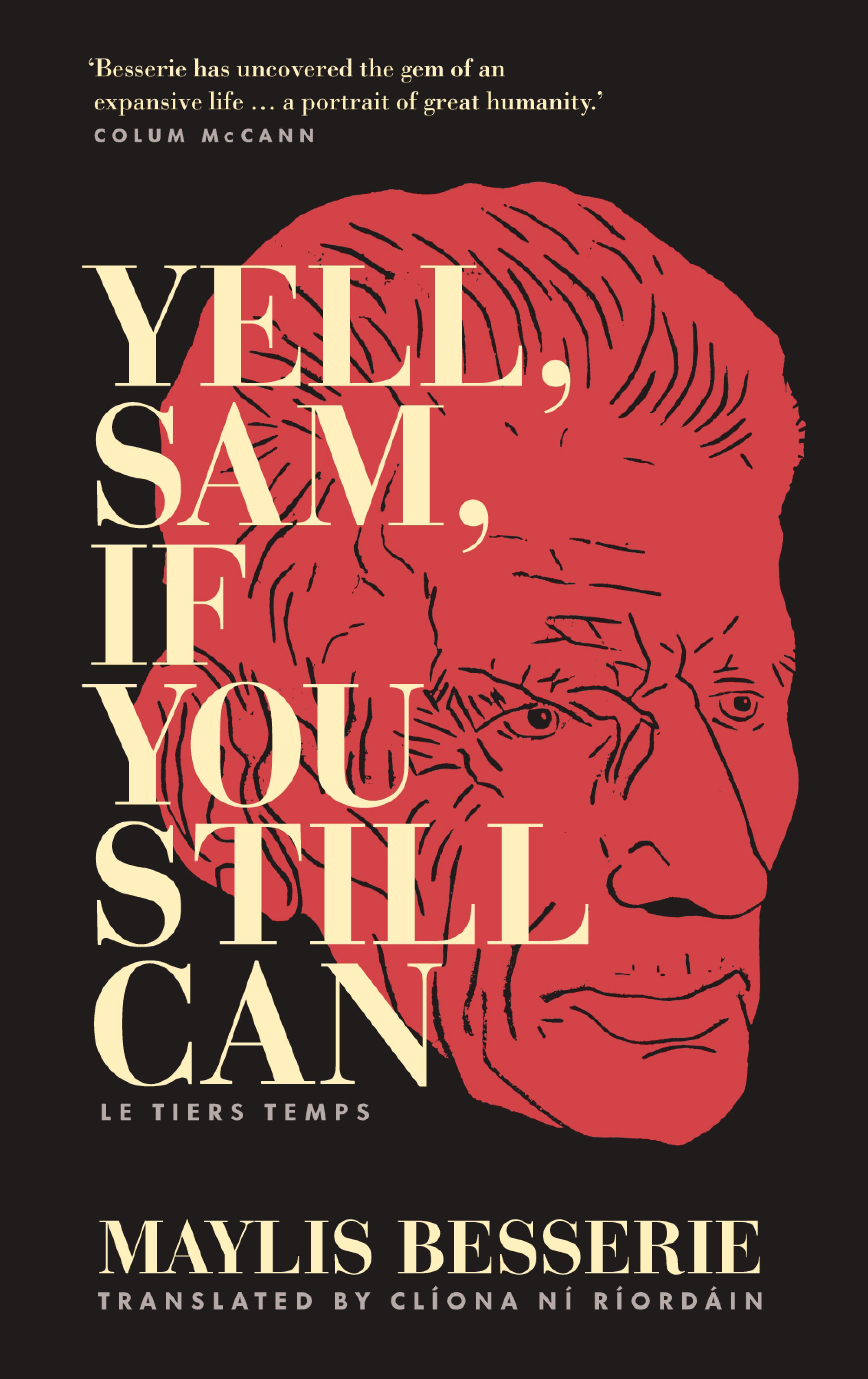
This novel by Maylis Besserie, the first of her Irish trilogy, shows us Samuel Beckett at the end of his life in 1989, living in Le Tiers-Temps retirement home. It is as if Beckett has come to live in one of his own stage productions, peopled with strange, unhinged individuals, waiting for the end of days. Yell, Sam, If You Still Can is filled with voices. From diary notes to clinical reports to daily menus, cool medical voices provide a counterpoint to Beckett himself, who reflects on his increasingly fragile existence. He remains playful, rueful, and aware of the dramatic irony that has brought him to live in the room next door to Winnie, surrounded by grotesques like Hamm or Lucky, abandoned by his wife Suzanne who died before him. Besserie delights in Beckett's bilingualism and plays back and forth between the francophone and anglophone properties of language, summoning James Joyce as Beckett reminisces about evenings the two spent together singing, talking and drinking. Largely written in the library of the Centre Culturel Irlandais, Besserie has kept the hum of Irish voices throughout this work. Yell, Sam, If You Still Can won the "Goncourt du premier roman", the prestigious French literary prize for first time novelists, just before the country went into lockdown. Besserie is now planning a further two novels that will explore the links between Ireland and France and is touted as the new star of the French literary world. Financial Times Book of the Year 2022
This item is available online. Expand information to see details.
Dostęp do treści elektronicznej wymaga posiadania kodu dostępu, który można odebrać w bibliotece.
E-book
In basket
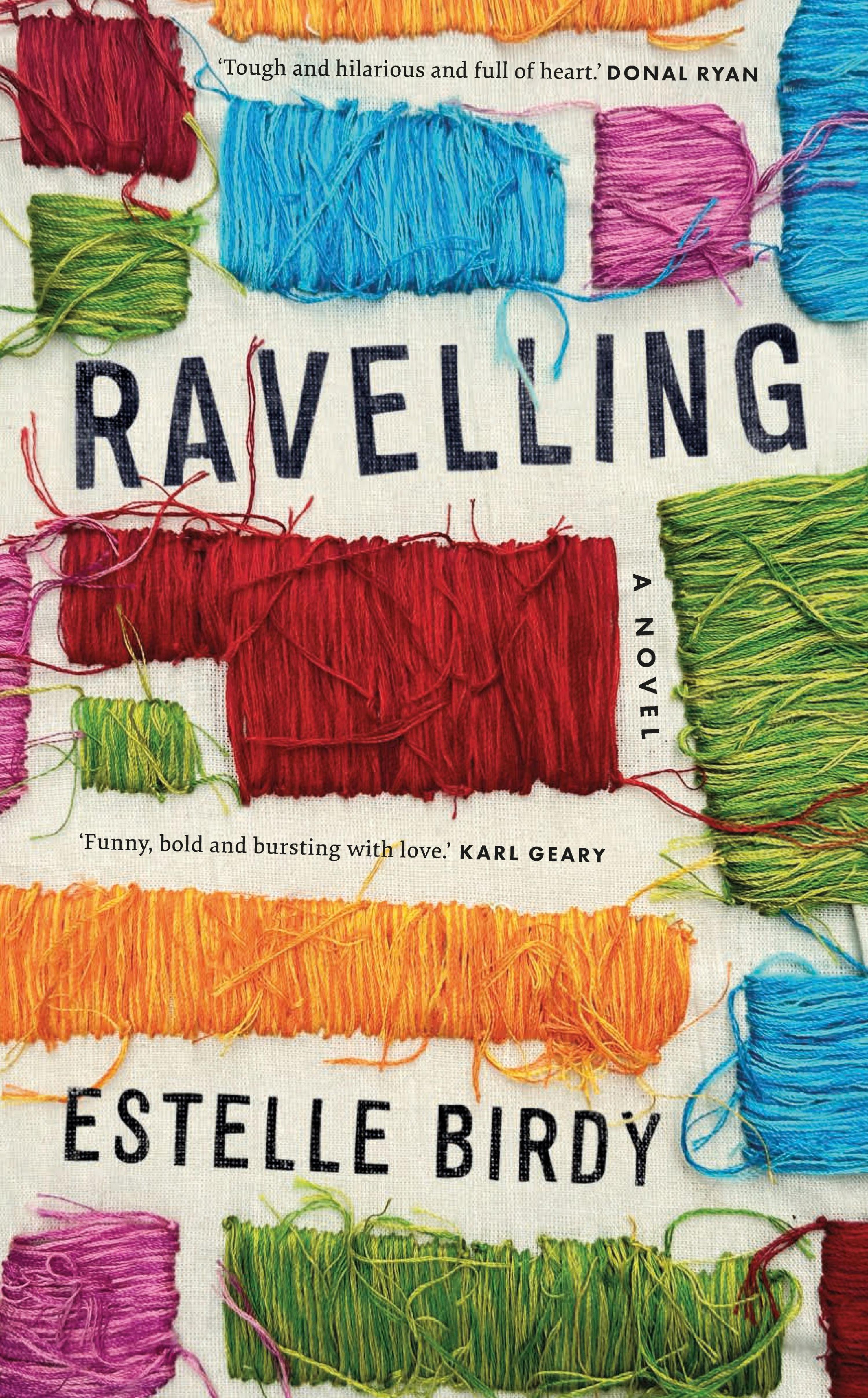
SET IN DUBLIN'S LIBERTIES, Estelle Birdy's explosively original debut Ravelling channels the energies and agonies of young men let loose in the city, their city, navigating the tumultuous trajectory of youth and young manhood, where they balance their hopes with the harsh realities of their present. Hurtling between friendships, feuds, drug-deals, family and brushes with the law, this is modern Dublin as never before portrayed. Ravelling follows Deano, a weed-smoking hurling star, living with his aunt in an about-to-be-demolished flat; Hamza, a Pakistani Muslim atheist and precocious academic, who sells his ADHD drugs to the kids in a private school; Oisín, empathetic and iron-willed, who has begun to see his dead brother at the end of his bed; Congolese nature lover, Benit, who just wants to relax and hurl with the lads; Karl, a maybe-gay fashionista, dreaming of something better while immersing himself in his art. Bound by friendship, place and the memories of those who've died too soon, these young men grapple with race, class, sex, parties, poverty, violence and Garda harassment, all while wondering what it means to be a man in twenty-first century Ireland. 'Ravelling masterfully evokes the fragility and beauty of human relationships. It's funny, bold and bursting with love. There's no moral here, just an ode to community, a burning sense of youth and a plea for a society pushed to the margins.' KARL GEARY 'A glorious novel, tough and hilarious and full of heart. What a writer! Every line sings from the page.' DONAL RYAN 'Written in fluent, truthful prose, with humour and empathy abounding.' SEBASTIAN BARRY 'A brilliantly profane, hilarious ride through the Liberties … Ravelling lays a sparkling new Dublin over the old. A revelation.' LAUREN MACKENZIE
This item is available online. Expand information to see details.
Dostęp do treści elektronicznej wymaga posiadania kodu dostępu, który można odebrać w bibliotece.
E-book
In basket
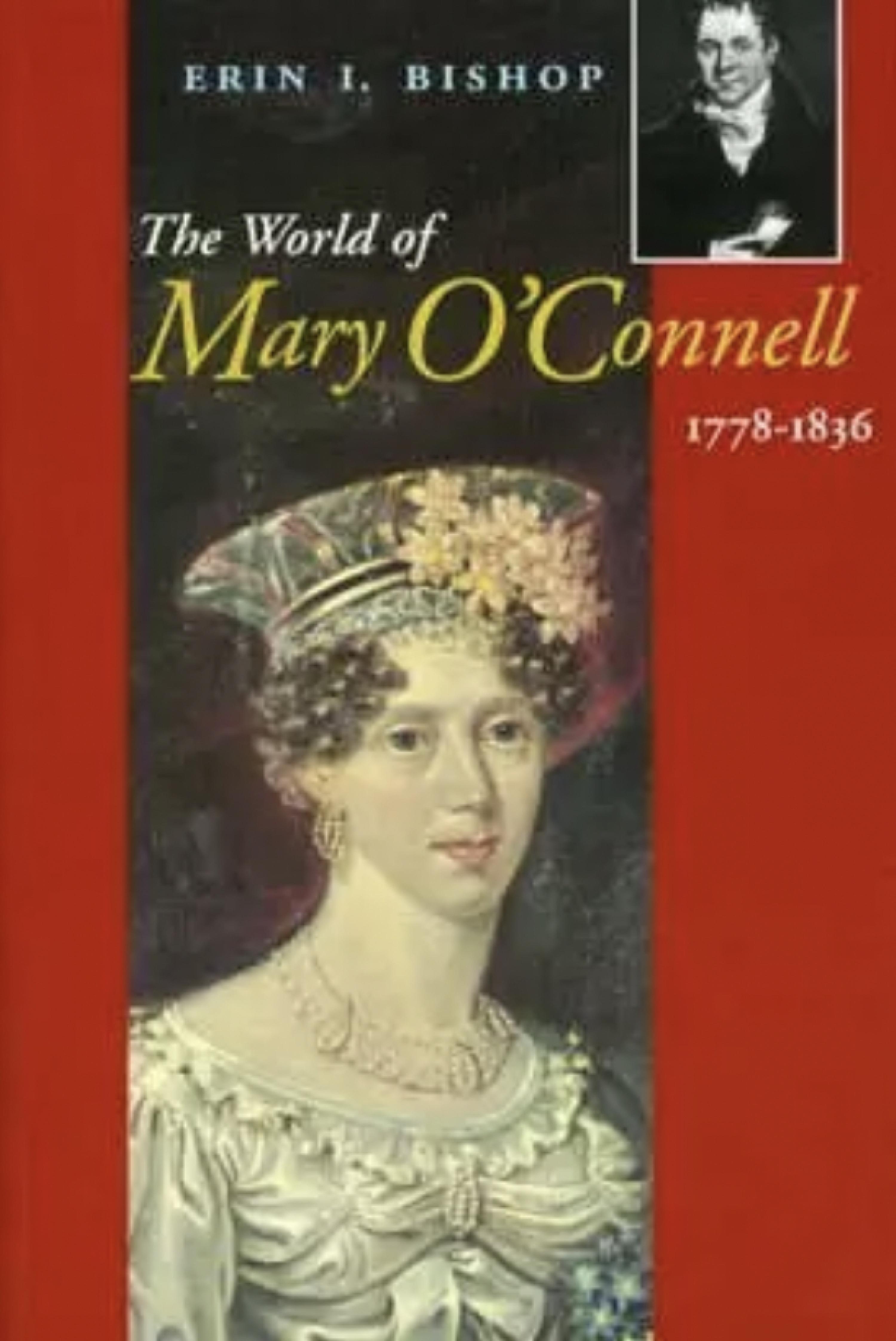
In 1800 Daniel O'Connell, a young Kerry barrister who had just made his first forays into national politics, began a clandestine correspondence with his distant cousin Mary O'Connell of Tralee. Two years later Daniel secretly married the dowerless Mary in Dublin, jeopardizing his inheritance and forging a bond that would last until Mary's death in 1836. Husband and wife corresponded voluminously from the beginning of their courtship until Mary's death, and over a thousand letters between them have survived. The World of Mary O'Connell, based on examination of these letters and of Mary's correspondence with other family members and friends, is more than a portrait of the Liberator's wife. Through the life and letters of Mary O'Connell, Erin I. Bishop has produced a fascinating study of social and domestic life in Ireland in the early nineteenth century. In chapters dealing with love and marriage, motherhood, domesticity, family and kin, sickness and health, and religion Bishop paints both an intimate picture of the life of one woman and a panoramic view of a time and a social stratum – the Catholic middle class – that have hitherto received inadequate scholarly attention.
This item is available online. Expand information to see details.
Dostęp do treści elektronicznej wymaga posiadania kodu dostępu, który można odebrać w bibliotece.
E-book
In basket
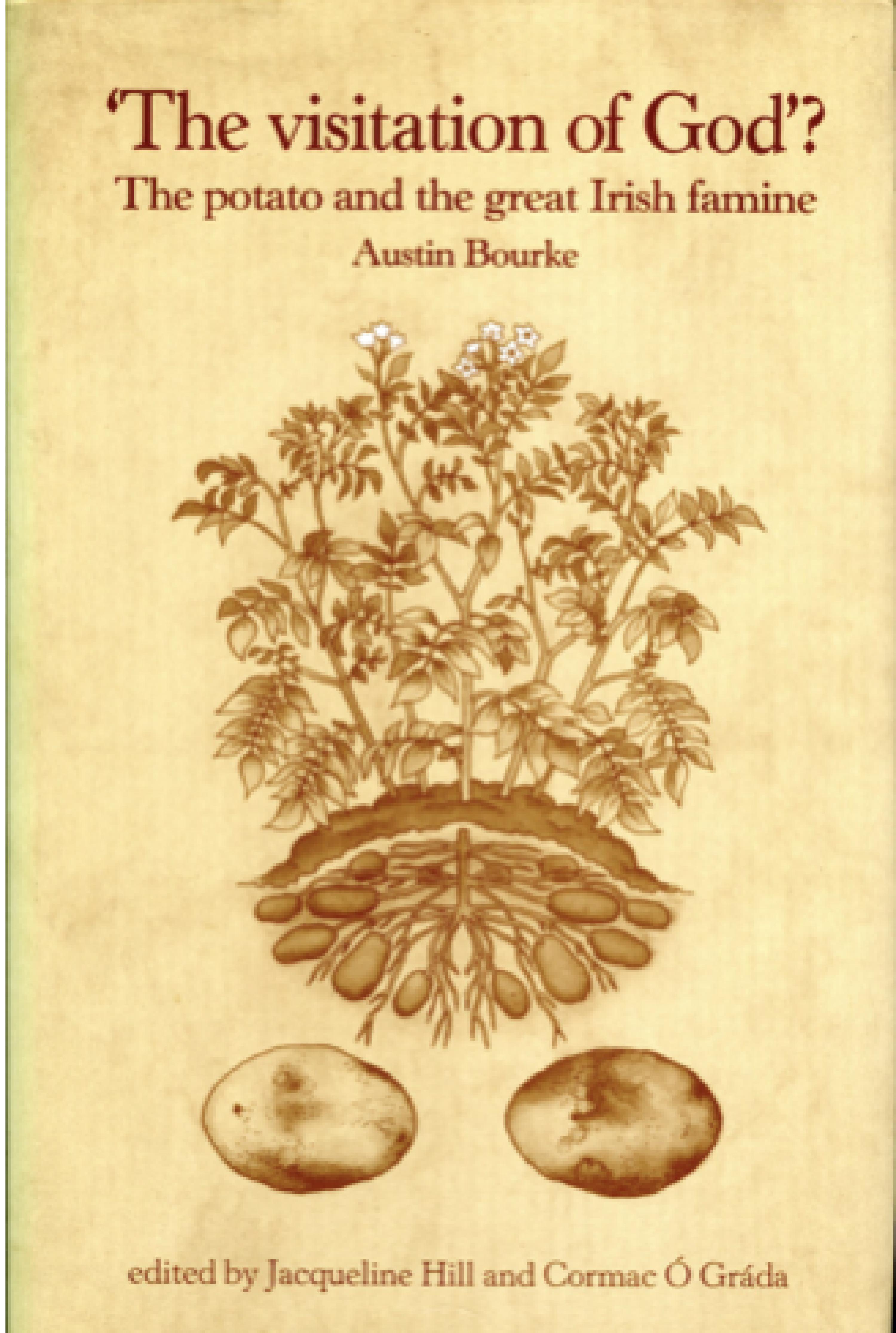
The dramatic failure of the potato crop in mid-19th century Europe caused widespread hunger and distress. In Ireland the impact was probably the greatest, where a million people died and many more emigrated. In this book, Austin Bourke seeks to explain how, from being welcomed originally as a protection against hunger, the potato became the very emblem of famine. The text brings together the author's papers, essays and research spanning a 30-year period. It places the onset of potato blight in its European and American context and reconsiders the role of English ministers and their attempt to stem the disaster.
This item is available online. Expand information to see details.
Dostęp do treści elektronicznej wymaga posiadania kodu dostępu, który można odebrać w bibliotece.
E-book
In basket
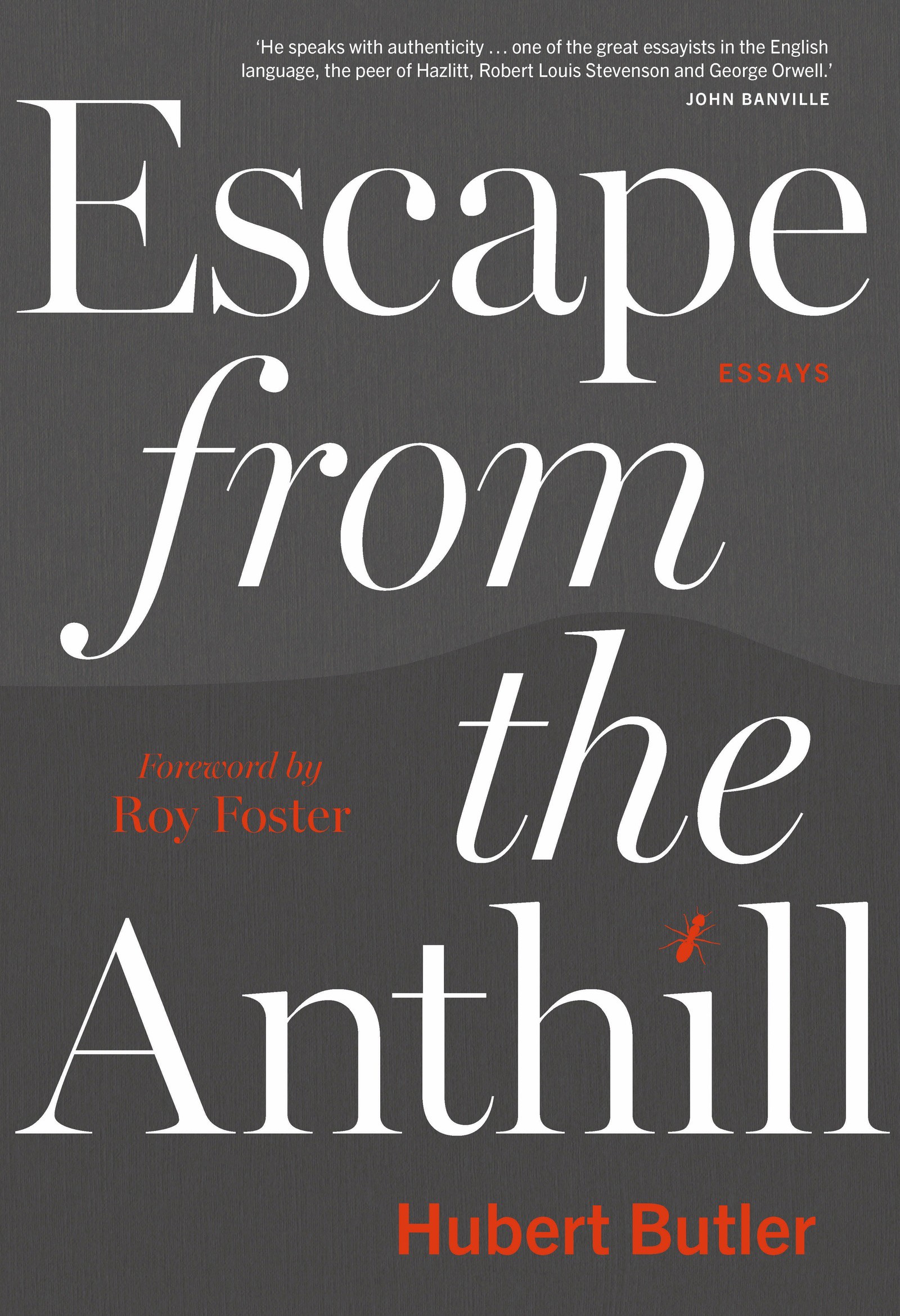
In this 40th anniversary edition, discover the epoch-defining collection of essays from one of Ireland's great essayists, Hubert Butler. Escape from the Anthill is known for its erudition, elegant prose, and the depth with which Hubert Butler engages with complex issues, offering sharp insights on resisting totalitarianism and defending personal freedom. Drawing on his experiences in Europe before and after World War II, Butler offers eloquent critiques of ideological conformity and celebrates the resilience of the human spirit in the face of oppressive systems. Challenging conformity and celebrating the importance of independent thought, Escape from the Anthill remains as pertinent today as ever before.
This item is available online. Expand information to see details.
Dostęp do treści elektronicznej wymaga posiadania kodu dostępu, który można odebrać w bibliotece.
E-book
In basket
A third volume of essays – autobiographical, polemical, political, exploratory – by the most distinctive Irish writer of the age, in the highest tradition of Swift and Shaw. Hubert Butler's remarkable consistency of vision and clarity of mind make him unique among Irish essayists in reconciling diversity of content with unity of impression. The focus of his writing is local, its force and application universal. Like Chekhov, he is an abiding humanist whose work evinces an unsurpassed moral and spiritual integrity.
This item is available online. Expand information to see details.
Dostęp do treści elektronicznej wymaga posiadania kodu dostępu, który można odebrać w bibliotece.
E-book
In basket
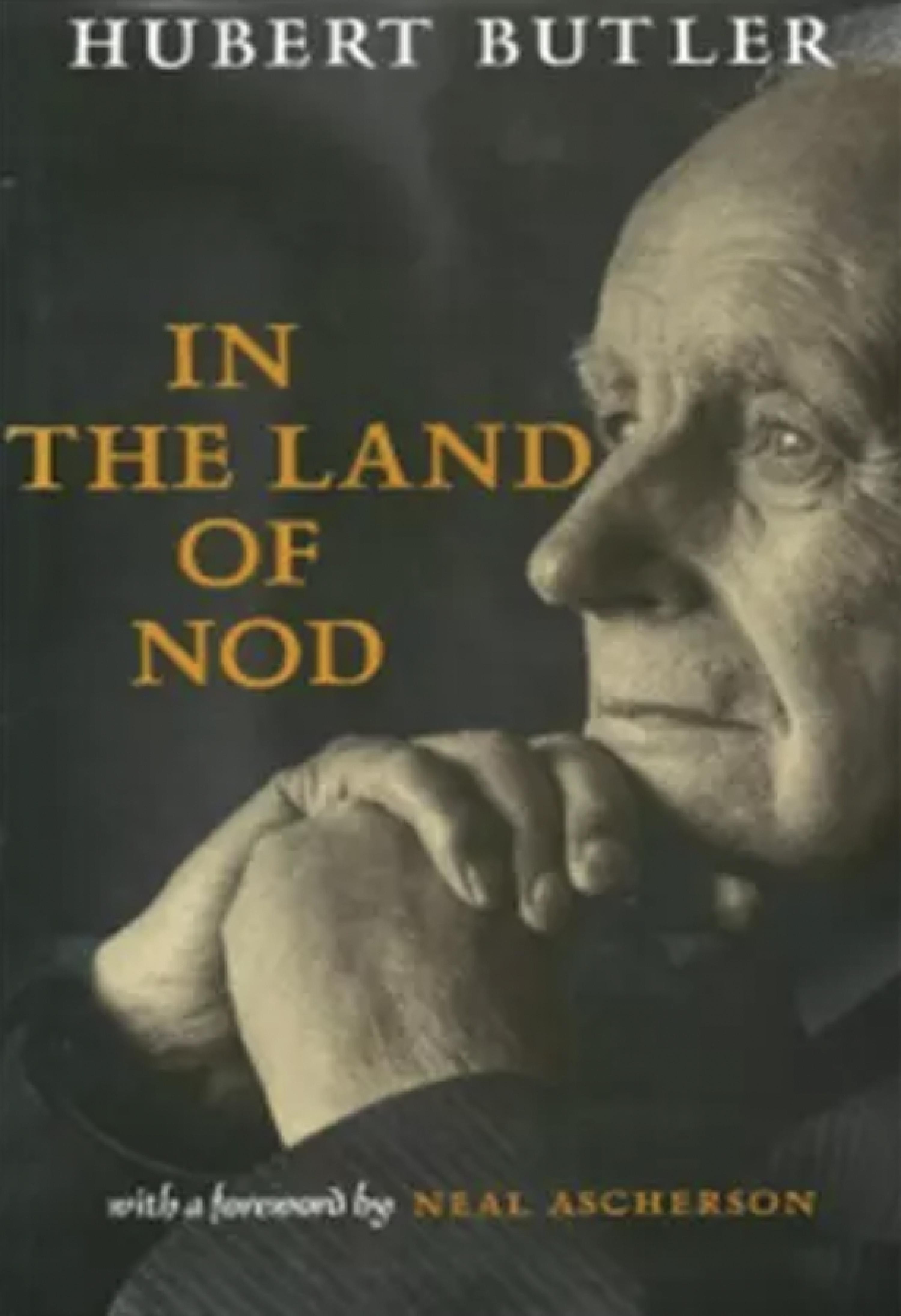
In The Land of Nod is the fourth and final volume of Hubert Butler's essays and crowns a remarkable literary odyssey. As Neal Ascherson writes: 'When the first collection appeared in 1985 he was already an old man/ His fame began to spread across his native Ireland and then across the world. By the time of his death in 1991 readers throughout Europe and America were asking in amazement why he had not been part of their common culture before.' This final offering contains some of Butler's most characteristic and revealing work. Its subjets are, variously, literature, language and religion' the politics and culture of the Balkans and Mitteleuropa; and Irish history. Essays on Henry Flood, Wolfe Tone, Pushkin, Chekhov (an unintended self-portrait). F.R. Leavis and Shaw accompany others on Fichte, Maria Pasquinelli, Himmler, Alexi Gierowsky and Martin Luther King. Butler's themes embrace nationalism versus racialism, Communism versus Christianity, the writer as independent spirit, puns and tribal ancestors in the Bible, the workings of history, the interrogation of self. His humanism and range of sympathies, his prescience, his voice, reveal him as one of the outstanding thinkers and writers of the age.
This item is available online. Expand information to see details.
Dostęp do treści elektronicznej wymaga posiadania kodu dostępu, który można odebrać w bibliotece.
E-book
In basket
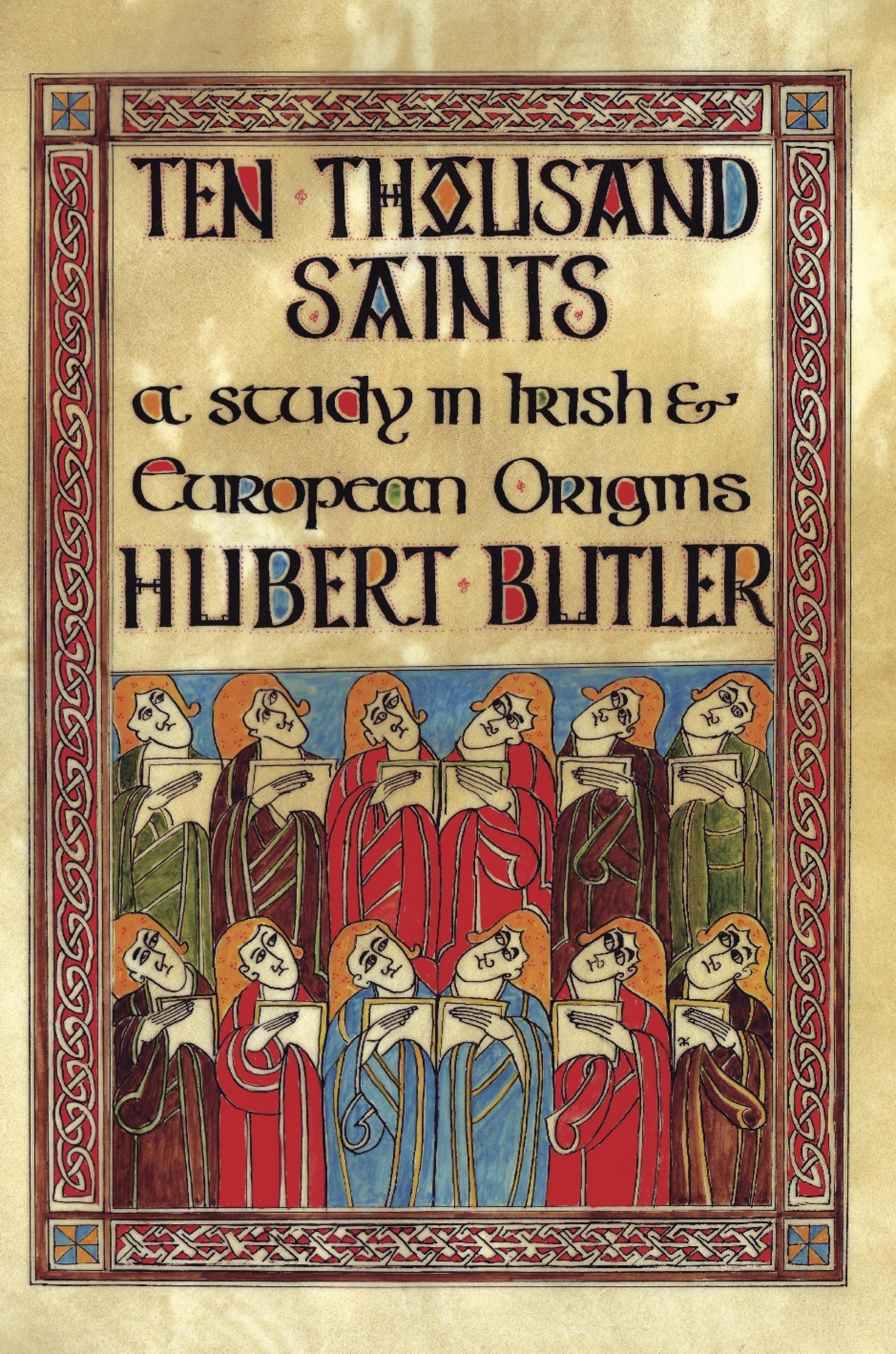
When it was first published in 1972, Hubert Butler's pioneering masterwork was received with scepticism by his contemporaries. He used linguistics to trace the origins of myths and saints back to pre-Celtic Ireland and Europe, and showed how these stories and names – ancestors of half-forgotten tribes – became absorbed by Christian mythology. The early Irish wove their stories, as did the Greeks, the Hebrews and all early peoples, from the migration of tribes and by wordplay with their time-battered, unstable names. Ten Thousand Saints raises fascinating problems that take us beyond the frontiers of recorded history to the remote movements of European peoples, to the clash of tribes and tongues. As modern DNA sampling and genome-mapping, seen in the regional patterning of today's Irish surnames, reinforce Butler's findings, his methods and thesis are now gaining scholarly recognition. This new edition, amplified and updated, demonstrates ingeniously coded histories – via place names, legends, hero-figures, saints and ancestors – that relate to the wanderings and minglings of all the great tribes of Europe', extending back to Neolithic times.
This item is available online. Expand information to see details.
Dostęp do treści elektronicznej wymaga posiadania kodu dostępu, który można odebrać w bibliotece.
E-book
In basket
The Appleman and the Poet, the fifth volume of Hubert Butler's essays, completes a thirty-year odyssey embarked upon by The Lilliput Press in 1984. Our flagship author has finally come home, welcomed by Fintan O'Toole in his foreword: 'One of the great joys of these essays is the discovery of sentences as sharp and lithe as a Toledo rapier.' Beginning with 'Russian Dispatches 1932–1946,' Butler gives an evocative description – from the viewpoint of a bourgeois teacher – of a society in dissolution, before the onset of Stalin's Great Purge, as show farms give way to show trials, the iron curtain descends across Europe, and Communism and Christianity lock horns. Part Two, 'Peace News Papers 1948–1958,' largely derives from the weekly Peace News, in which Butler debates and defends with steely precision Ireland's neutrality, pacifism, and the integrity of Yugoslavia, 'where we know that in 1941 and 1942 one very pious government [Croatia's] perpetrated the greatest massacre in the history of Christendom.' 'Autobiographies' contains some of Butler's most affecting work. It describes his parents and home at Maidenhall; details his education in England; reflects on a universal sexuality; has a poignant piece about deafness; and concludes with the Virgilian essay of the book's title. Part Four, 'Musings of an Irish Protestant,' expresses Butler's potent sense of an Anglo-Irish identity and community: from the 'right of private judgment' proclaimed at the 1782 Dungannon Convention, in a line of descent from Charlemont, Henry Grattan, Wolfe Tone and Emmet, via Thomas Davis, Standish O'Grady, Parnell and Arthur Griffith, to Yeats and the men of 1916 – all independent spirits. 'Family Matters' addresses the Butler clan at home and abroad, with essays taken from the Journal of the Butler Society. 'History and Literature under Review' assembles newspaper and journal pieces on diverse subjects: Swift, Yeats, Horace Plunkett, Enid Starkie, Rebecca West (in Yugoslavia), the Holocaust, Early Irish saints, Hans Küng, Teilhard de Chardin, and Ronald Reagan and the American Wall of Separation (between Church and State) in the 1980s. The Appleman and the Poet places a capstone upon a project begun with Escape from the Anthill in 1985. Butler's essays, written over six decades, establish him as one of Ireland's great twentieth- century prose writers and thinkers.
This item is available online. Expand information to see details.
Dostęp do treści elektronicznej wymaga posiadania kodu dostępu, który można odebrać w bibliotece.
E-book
In basket
With Escape from the Anthill, his first volume of essays, Hubert Butler became universally acclaimed as one of Ireland's most enduring and distinctive writers. In this long-awaited sequel he writes with emphasis on Europe and travel in Russia, China, the Adriatic and America during the mid-century.
This item is available online. Expand information to see details.
Dostęp do treści elektronicznej wymaga posiadania kodu dostępu, który można odebrać w bibliotece.
E-book
In basket
From the ascent of Peter the Great to the Russian Revolution. From the Battle of the Boyne to the Easter Rising. Between these epochal events were two astounding centuries of war, diplomacy, intrigue, innovation and international radical political movements, the reverberations of which are still felt in both Ireland and the former territories of the Russian empire today. In Anarchy and Authority, readers follow contemporaneous accounts of Irish men and women who ventured into the Russian empire during the long centuries of Romanov rule. Human connections, political intrigues, cultural cross-pollination mesh with sweeping historical narratives in the story of the island and the empire. Meticulously researched and energetically told, these are the stories of Irish residents, travellers and migrants to Russia from that time, ranging from diplomats and governesses, to early tourists, travel writers, soldiers, servants and even a revolutionary music-teacher. From the Irishmen and women who benefitted from the imperial wars waged by the Russian state, to those Irish observers who bore witness to the horrors of serfdom and the oppression of dissenting voices. Anarchy and Authority brings to vivid life these Irish perspectives. Their fascinating insights and unique depths of field give increasing relevance to the turbulent geo-politics of modern times.
This item is available online. Expand information to see details.
Dostęp do treści elektronicznej wymaga posiadania kodu dostępu, który można odebrać w bibliotece.
E-book
In basket
The four volumes of spokesman and strategist Alastair Campbell's diaries were a publishing sensation. As British Prime Minister Tony Blair's right-hand man, former journalist and political analyst Campbell played a critical role in every aspect of New Labour strategy. Charting the course of British government from July 1994 to August 2003, Campbell¹s relentlessly honest, often controversial, occasionally brutal, and always razor-sharp commentary has drawn critical acclaim from around the world. This newly edited one-volume edition focuses on one of the Blair government's biggest successes, the Northern Ireland peace process. From the high of the Good Friday agreement and devolution in Northern Ireland, to the deadly lows of the Manchester and Omagh bombings, The Irish Diaries explores the tensions, all-night talks, adrenalin-fuelled negotiations and heady personality clashes that are such an intrinsic part of democratic politics. Newly annotated and fully revised by Campbell and featuring commissioned material by key figures in the Irish peace process such as former Taoiseach Bertie Ahern,Tony Blair and Alastair Campbell himself, The Irish Diaries is invaluable for readers with an interest in Irish history.
This item is available online. Expand information to see details.
Dostęp do treści elektronicznej wymaga posiadania kodu dostępu, który można odebrać w bibliotece.
The item has been added to the basket. If you don't know what the basket is for, click here for details.
Do not show it again