Sorting
Source
Biblioteka Kraków
(2)
Legimi
(1)
Form of Work
Książki
(2)
Proza
(2)
E-booki
(1)
Status
available
(2)
Branch
Filia 51 (Os. Kalinowe)
(1)
Filia 53 (Os. Stalowe)
(1)
Author
Żamojda, Jarosław (1960- )
(2)
Tavares, Juarez
(1)
Wieteska, Wojtek
(1)
Year
2020 - 2026
(1)
1990 - 1999
(2)
Time Period of Creation
1901-2000
(1)
Country
Poland
(3)
Language
Polish
(3)
Audience Group
Młodzież
(1)
Demographic Group
Literatura polska
(2)
Genre/Form
Powieść
(2)
3 results Filter
No cover
Book
In basket
Młode Wilki / Jarosław Żamojda ; [fot. Wojtek Wieteska]. - Warszawa : Da Vinci, 1995. - 134, [1] s, [16] s. fot. kolor. : err. ; 21 cm.
This item is available in one branch. Expand information to see details.
There are copies available to loan: sygn. 821.162.1-3 [Wypożyczalnia] (1 egz.)
No cover
Book
In basket
Młode wilki 1/2 / Jarosław Żamojda. - Warszawa : "Da Vinci", 1998. - 120, [1] s., [16] s. fot. kolor. ; 21 cm.
Form of Work
Audience Group
Demographic Group
Genre/Form
This item is available in one branch. Expand information to see details.
There are copies available to loan: sygn. 821.162.1-3 [Wypożyczalnia] (1 egz.)
E-book
In basket
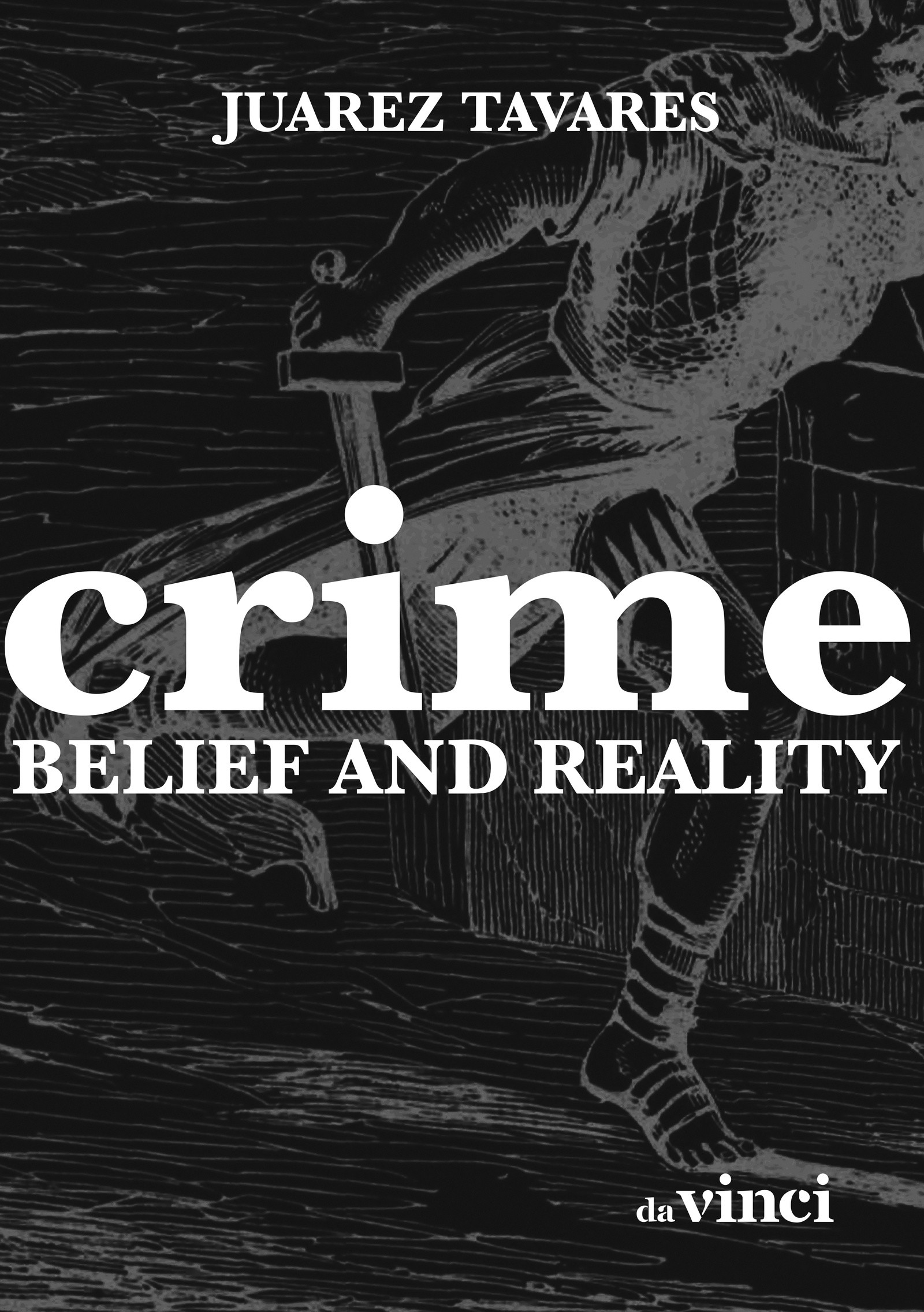
Crime / Juarez Tavares. - [miejsce nieznane] : Da Vinci Livros : Legimi, 2022.
The crime, not rarely, is presented as the epicenter of society. Correlated to the decline of the democratic and republican values and principles, we witness a sort of institutional immersion in the criminal matters: everything is criminalized, from politics to insignificant facts. The criminalization processes are also used to control the undesirable on the eyes of those that detain the political and economic power. The fear is manipulated, the feeling of insecurity increases and the criminal law is transformed in magical answers to social problems. In the last decades, the majority of the society has become hostage of the narratives about the crime. The result was the increase of repression, severe criminal legislations and punitive judges. Juarez Tavares, one of the most important Brazilian intellectuals, presents in this book a precise diagnosis of the criminal matter, revealing the damages caused by the official speeches. At the same time, he indicates an emancipatory perspective in the opposite direction of the criminal populism and of the blind faith on punishment. Through a transdisciplinary approach, Tavares reminds that crime is merely a juridical concept, an instrument at service of the power, and that nothing justifies the defense of foolishness under the pretense of combating crimes. Against the common sense and the odes to the punishment, Crime: belief and reality presents a necessary analysis of the requirements that nurture the taste for punishment and the naturalization of the criminalization processes. It is a bold invite to rethink the place of the crime in the contemporary world.
This item is available online. Expand information to see details.
Dostęp do treści elektronicznej wymaga posiadania kodu dostępu, który można odebrać w bibliotece.
The item has been added to the basket. If you don't know what the basket is for, click here for details.
Do not show it again